
The Plant and Microbial Biosciences (PMB) Program trains PhD students to have a strong background in modern biology, as well as research training specific to vascular plants, mosses, algae, plant-associated microbes, photosynthetic prokaryotes, and other microbes as experimental organisms to address both fundamental and applied biological questions. Formal coursework requirements, teaching assistantship, and qualifying exam are usually satisfied in the first two years. Research training is accomplished by a combination of required research rotations in the first year followed by a significant thesis research project. Seminars and journal clubs help members of the program stay current with the latest scientific advances. DBBS also provides a wide variety of “beyond the bench” opportunities for students, including internships, career workshops and science outreach opportunities to ensure that PMB graduates are well prepared for future careers in academia, industry, entrepreneurship, policy, science communication, etc.
DBBS offers a student-driven course of study that is a flexible, personalized learning pathway designed and led by the student, with oversight and guidance by faculty and staff. This model entrusts and empowers students to take ownership of their education by identifying their academic interests, setting learning goals, and curating a curriculum that aligns with their intellectual passions and career aspirations.
Students’ research opportunities are enriched by the University’s partnerships with local institutions:
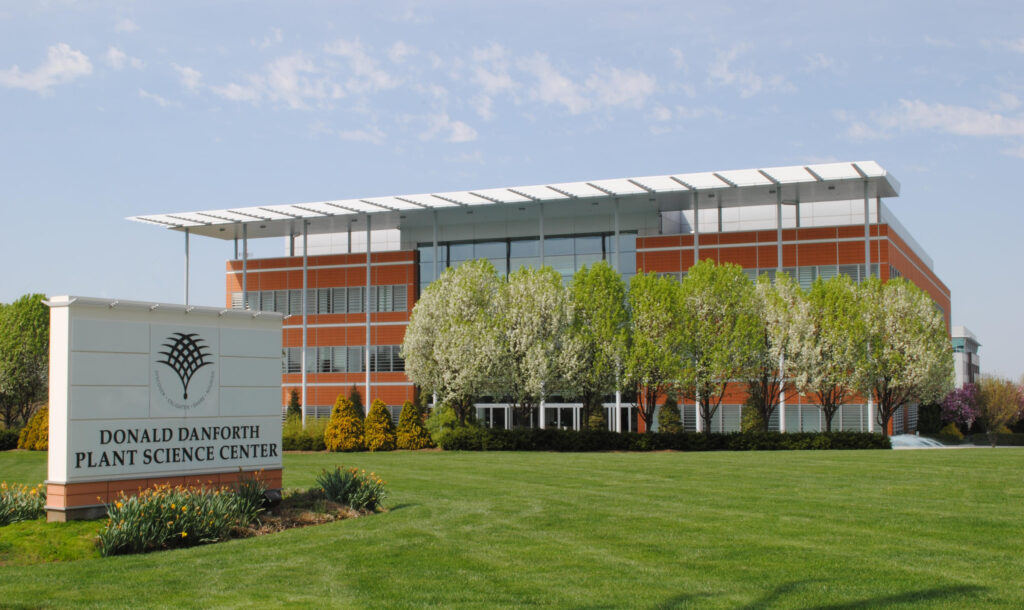
The Donald Danforth Plant Science Center is a state-of-the-art research facility. Mass spectrometry and
X-ray crystallography facilities are available to facilitate studies of protein structure and function. Modern greenhouses, growth chambers, and tissue culture facilities provide controlled environments for plant research.
The Missouri Botanical Garden is among the jewels of St. Louis and a conservation and sustainability innovation space. PMB students are able to work within the gardens and access additional facilities, including a botanical library and herbarium collection that are among the most extensive in the world.
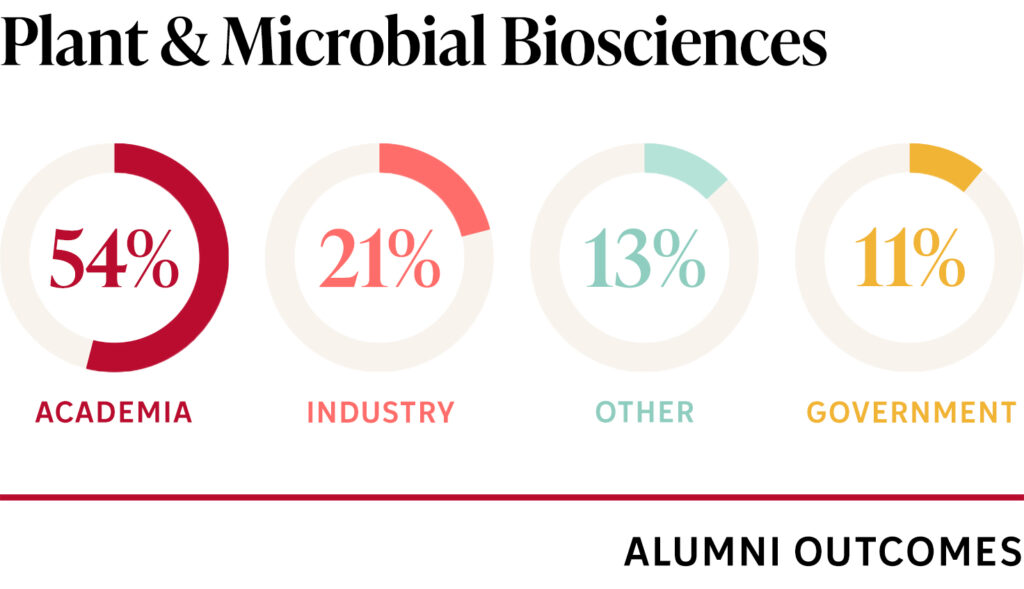
PMB graduates pursue a variety of careers. Most program graduates go into academia, but many find paths in industry, government, and other fields, like science communication, law, and business and entrepreneurship.
Faculty Co-Directors:
Graduate Program Administrator: